In this article we look at the climate of Tenerife, the largest island in the Canary archipelago. The weather is undoubtedly one of the key factors in choosing a holiday destination, especially in the colder months, when temperatures in most European countries are bitterly cold. Taking a break in winter to unwind and recharge your batteries is vital for everyone’s physical and mental well-being. That’s why, when choosing where to go, besides weighing up the location and the cultural attractions of the place you’re heading to, the climate is without doubt one of the most important factors to consider.
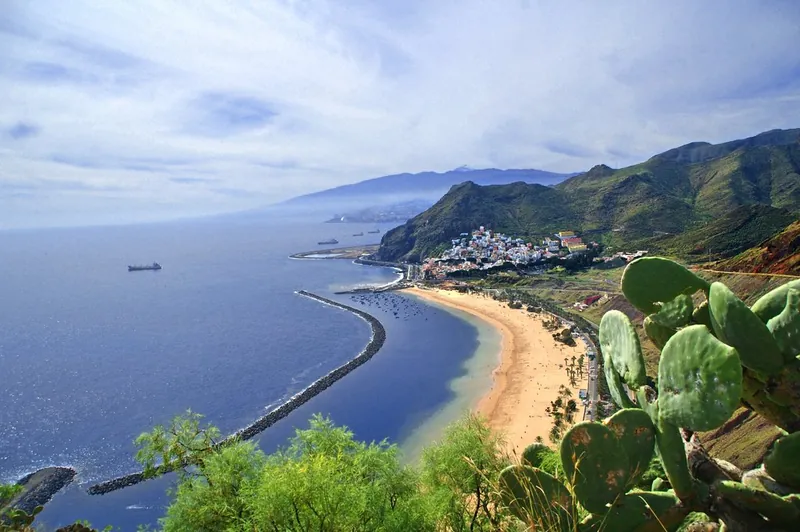
In this respect, Tenerife’s climate is certainly one of the many plus points of this fantastic destination, which has been dubbed “the island of eternal spring”. The Canary Islands have a subtropical oceanic climate, mild and sunny in every season of the year. Rainfall on the coasts is low (under 250 millimetres a year), so visitors can enjoy an unforgettable holiday with very pleasant temperatures even in the seasons considered cold. A great many people choose to spend the Christmas holidays on the coasts of the Canary Islands precisely because of the mild climate, which lets them relax on the beach, enjoy a refreshing dip in the ocean or stroll along the water’s edge.
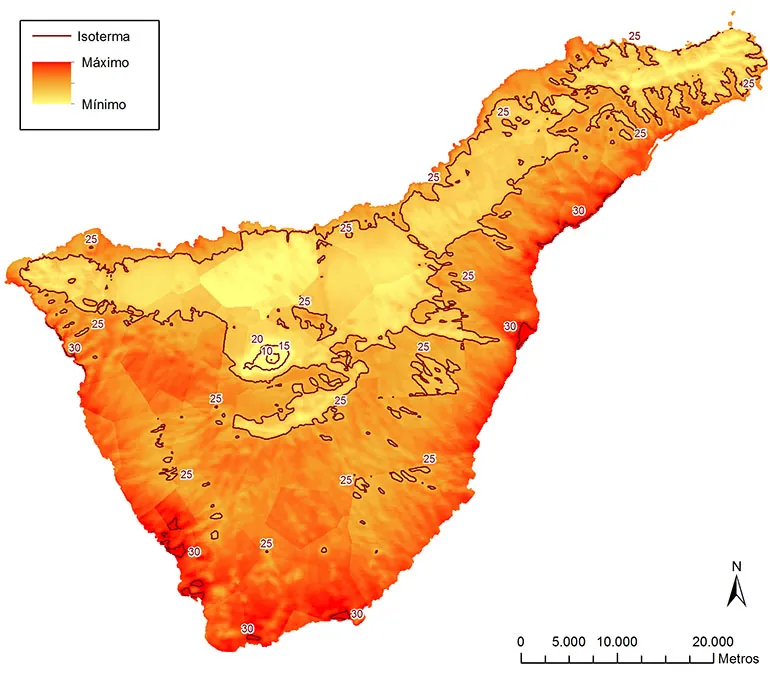
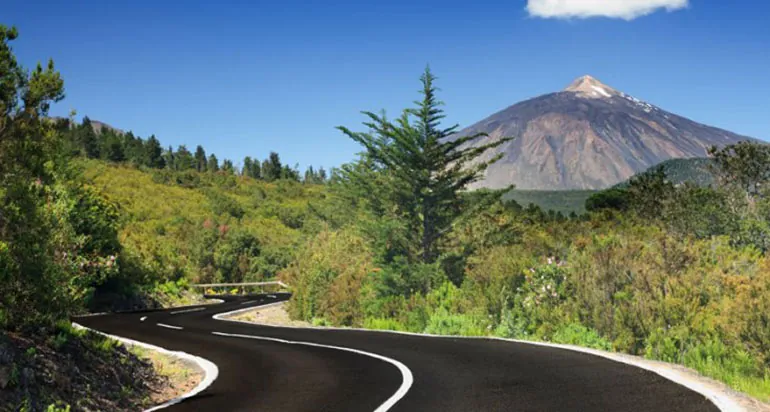
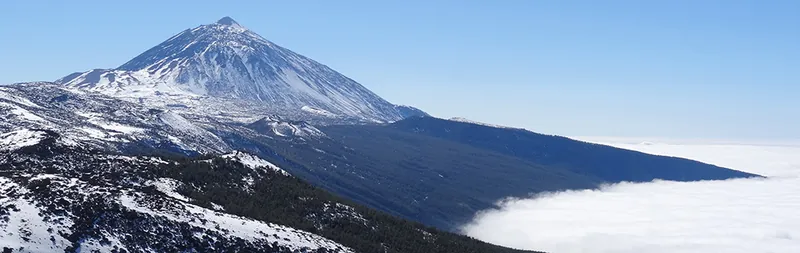
In terms of climate, the island can be thought of as a miniature continent, with a greener north where temperatures are cooler and a much warmer south. This makes it all the more fascinating for visitors, who at certain times of year can soak up the sun with a spectacular view of Mount Teide (3,718 m), sometimes capped with snow. You feel immersed in a fairy-tale setting that does wonders for your physical and mental well-being.
The climate is strongly influenced by the latitude of the Canary Islands (comparable to that of the Sahara Desert), by ocean currents and by the trade winds, which help to give the island some of the best average temperatures in the world. Temperatures rarely fall below 18°C in winter or rise above 30°C in summer.
One weather phenomenon worth mentioning is the calima, a wind from the Sahara that causes a marked rise in temperature on certain days of the year (a fairly rare occurrence), pushing it above 30°C – the only time the heat can become unpleasant.
The climate is therefore another plus point for Tenerife, and one to bear in mind when choosing this holiday destination.
Minimum and maximum temperatures month by month
| Month | Jan | Feb | Mar | Apr | May | Jun | Jul | Aug | Sep | Oct | Nov | Dec |
|---|---|---|---|---|---|---|---|---|---|---|---|---|
| Max °C | 21.0 | 21.2 | 22.1 | 22.7 | 24.1 | 26.2 | 28.7 | 29.0 | 28.1 | 26.3 | 24.1 | 22.1 |
| Min °C | 15.4 | 15.3 | 15.9 | 16.5 | 17.8 | 19.5 | 21.2 | 21.9 | 21.7 | 20.3 | 18.4 | 16.6 |
| Month | Jan | Feb | Mar | Apr | May | Jun | Jul | Aug | Sep | Oct | Nov | Dec |
|---|---|---|---|---|---|---|---|---|---|---|---|---|
| Max °C | 22.7 | 23.0 | 24.1 | 24.3 | 25.2 | 26.7 | 28.7 | 29.4 | 28.5 | 27.2 | 25.4 | 23.3 |
| Min °C | 15.6 | 15.8 | 16.2 | 17.4 | 18.5 | 19.8 | 21.2 | 21.4 | 21.5 | 20.3 | 18.7 | 16.4 |
Photo gallery